
Walking and Vehicle Path Design
Walkway design includes the design of a safe, comfortable and aesthetic space where people can walk. Walkways are often found in parks, gardens and other open spaces, allowing people to be at one with nature. Walkway design should take into account the physical characteristics of the road (for example, the width and height of the road), the plants and trees around the road, the lighting and marking of the road. Walking path design is necessary for people to walk in a healthy way.


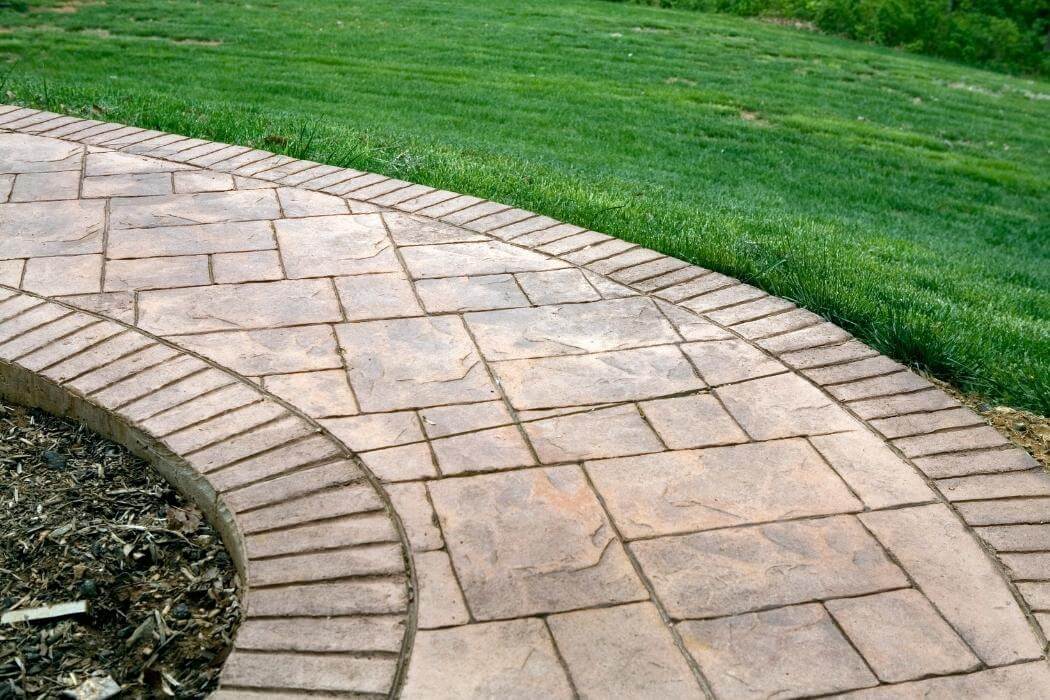
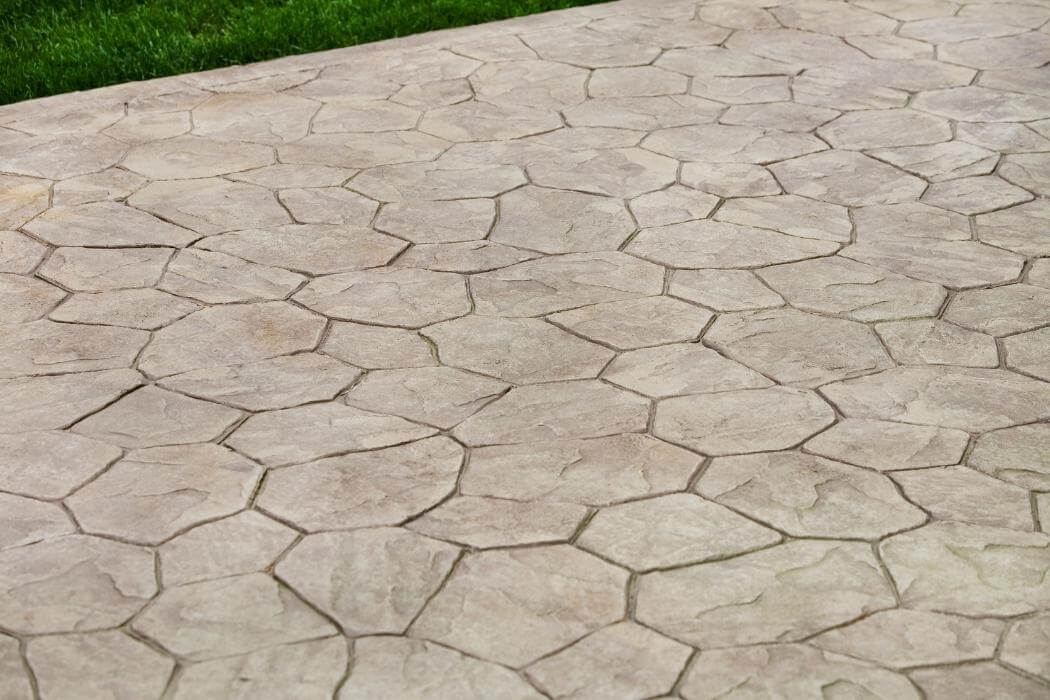

Vehicle road design covers the design necessary for vehicles to move safely on a road. This design should take into account the speed of vehicles on the road, the width of the road, the slope and flatness of the road, the nature of the road (for example, asphalt or concrete), the marking and lighting of the road. Vehicle road design is necessary so that vehicles can move safely and people can drive safely. To benefit from our vehicle and walkway design service, you can contact us and take a look at our examples.
Stepping stone is the general name of the stones used for walking on the road or pedestrian path. The stepping stone design aims to create a suitable environment for walking on the road or footpath. There are several main issues to consider in stepping stone design:
The material used in the stepping stone design should be suitable for heavy use of the road or pedestrian path. Generally, durable and long-lasting materials are preferred. For example, materials such as granite, marble or andesite can be used.
In stepping stone design, the size of the stones is also important. The size of the stones should be suitable for the intensive use of the road or footpath. For example, while smaller stones are used on pedestrian roads, larger stones may be preferred on automobile roads.
In stepping stone design, the arrangement of the stones is also important. The stones are placed properly so that the road or pedestrian path looks beautiful. In addition, the arrangement of stones increases the functionality of the road or pedestrian path.
In stepping stone design, the safety of the road or footpath is also important. In particular, it is important to arrange the stones for walking on wet surfaces, so that the risk of slipping during walking is reduced. The comfort of the road or footpath is also important in stepping stone design.
Pressed concrete is a material obtained by shaping the concrete by pressing it. Printed concrete design is a design technique used on various structures or surfaces. The material used in the design of stamped concrete is concrete and this material is made solid by condensation.
The stamped concrete design is used on various structures or surfaces. For example, it can be used on the road or pedestrian path. It can also be used on the exterior of houses and workplaces, on terraces and around pools.
Printed concrete design can be made in different colors and patterns. In this way, the visuality of structures or surfaces can also be increased. However, it is important that colors and patterns do not affect the functionality of the structure or surface.
The stamped concrete design becomes suitable for long-term use as it is a strong and durable material. In addition, the stamped concrete design can be used in rainy weather as it is water resistant. For these reasons, it is often preferred over various structures or surfaces.
Walkway design is the process of arranging walking areas. Walkway design is usually done in open areas and an environment is created in which people can walk comfortably. Walkway design is often done for parks, forest trails and other open spaces.
The process of walking path design begins with the arrangement of walking areas. In this process, considering the functions, dimensions and conditions of the areas, issues such as how to provide transitions between areas, how to use the areas and how to establish relations between areas are considered. For example, during the design of a forest road, vegetation and natural conditions around the road are taken into account. In addition, issues such as the opening of the road, the diameter of the road and the opening of the road are also considered.
In the process of walking path design, the aesthetic values of the areas are also important. These values are provided by arranging the fields according to their functions. For example, the aesthetic values of a forest road allow comfortable use of the road and also improve the appearance of the road. These values are provided by factors such as the colors, texture, lighting of the areas and other decorative elements.
Furniture, accessories and decorative items inside the spaces are also considered during the walkway design process.
Vehicle path design is the process of arranging the paths that the vehicle can travel. Vehicle road design is usually done in open areas and an environment is created in which the vehicle can travel safely. Vehicle road design is usually done for roads, highways and other open spaces in cities.
The vehicle path design process begins with arranging the paths through which the vehicle can travel. In this process, considering the functions, dimensions and conditions of the roads, issues such as how to ensure the transition between the roads, how to use the roads and how to establish the relations between the roads are considered. For example, during the design of a highway, issues such as speed limits of the highway, the opening of the road and the lanes of the road are taken into account. Structures and other areas around the motorway are also taken into account.
In the process of vehicle road design, the aesthetic values of the roads are also important. These values are provided by arranging the paths according to their functions. For example, the aesthetic values of a highway make it safe to use and also improve the appearance of the highway. These values are provided by factors such as the colors, texture, lighting of the roads and other decorative elements. The furniture, accessories and decorative items inside the roads are also considered during the roadway design process.