
Soil Production
Soil production is a process that accelerates the naturally formation process of soil or provides the necessary conditions for soil formation. This process is generally used to increase the efficiency of the soil during agricultural activities or to ensure that plants grow more healthy. Soil production is also a process that aims to improve the quality of the soil by changing the physical, chemical and biological properties of the soil.

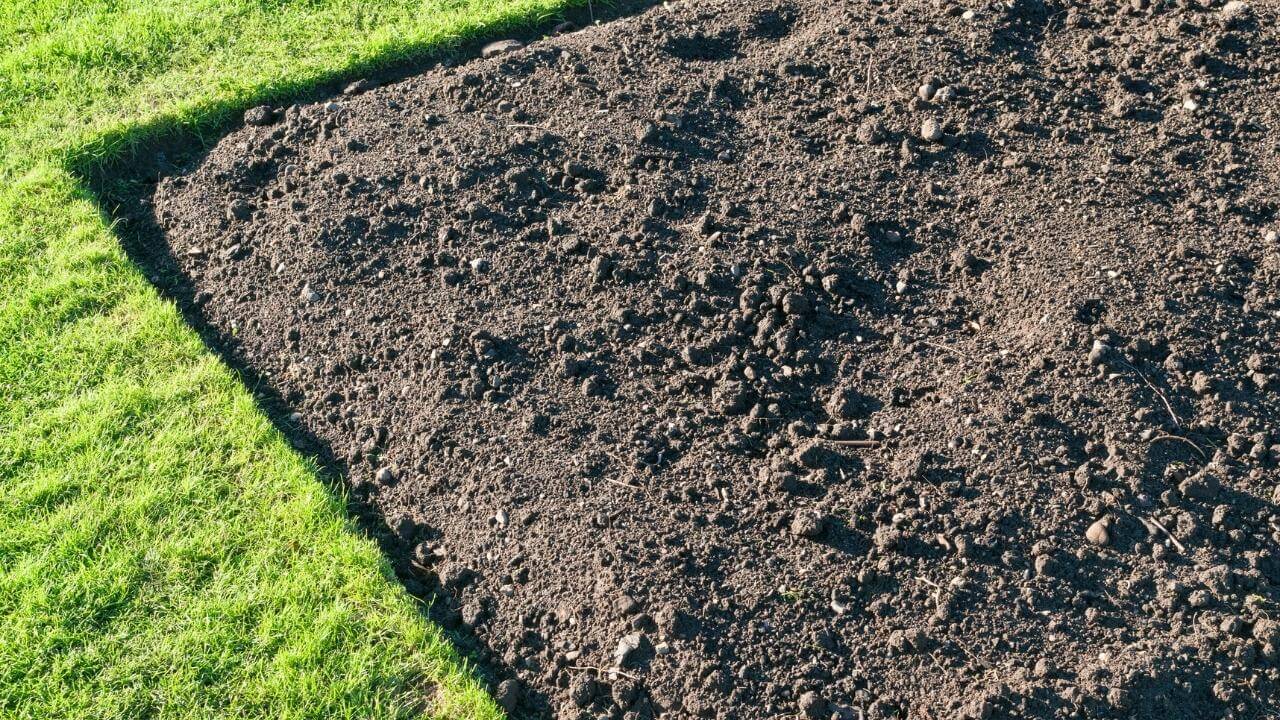
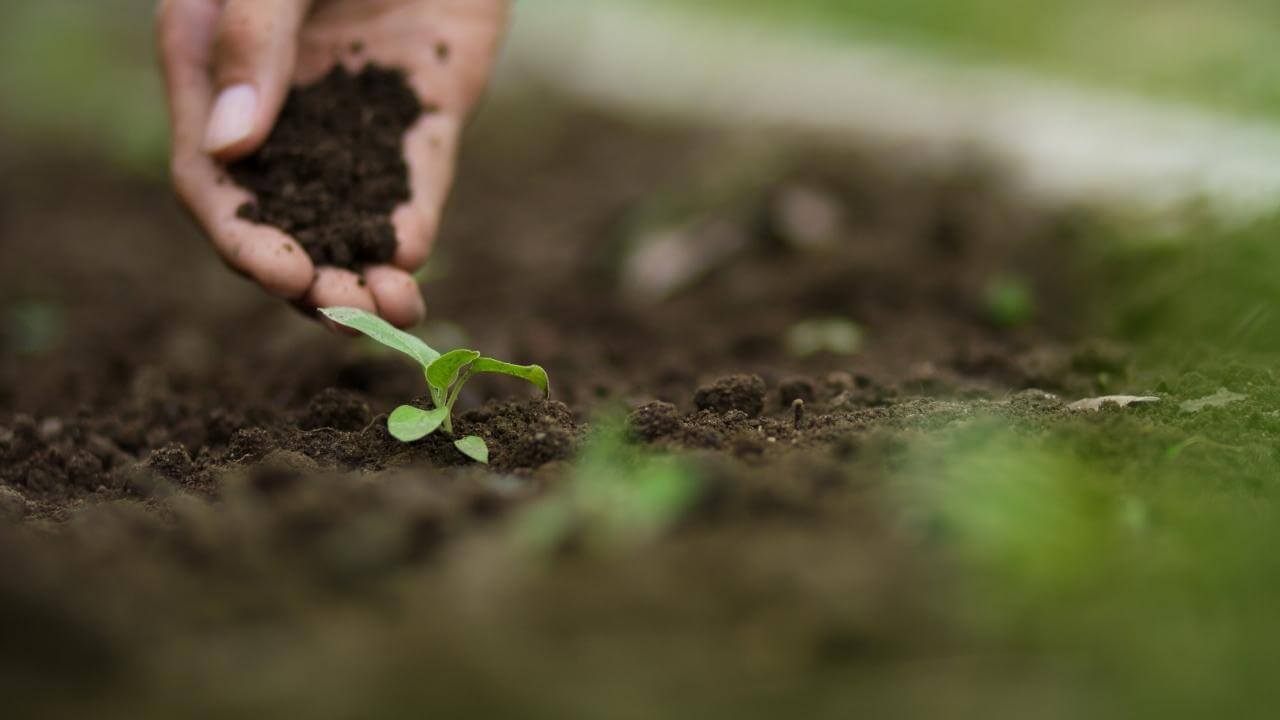
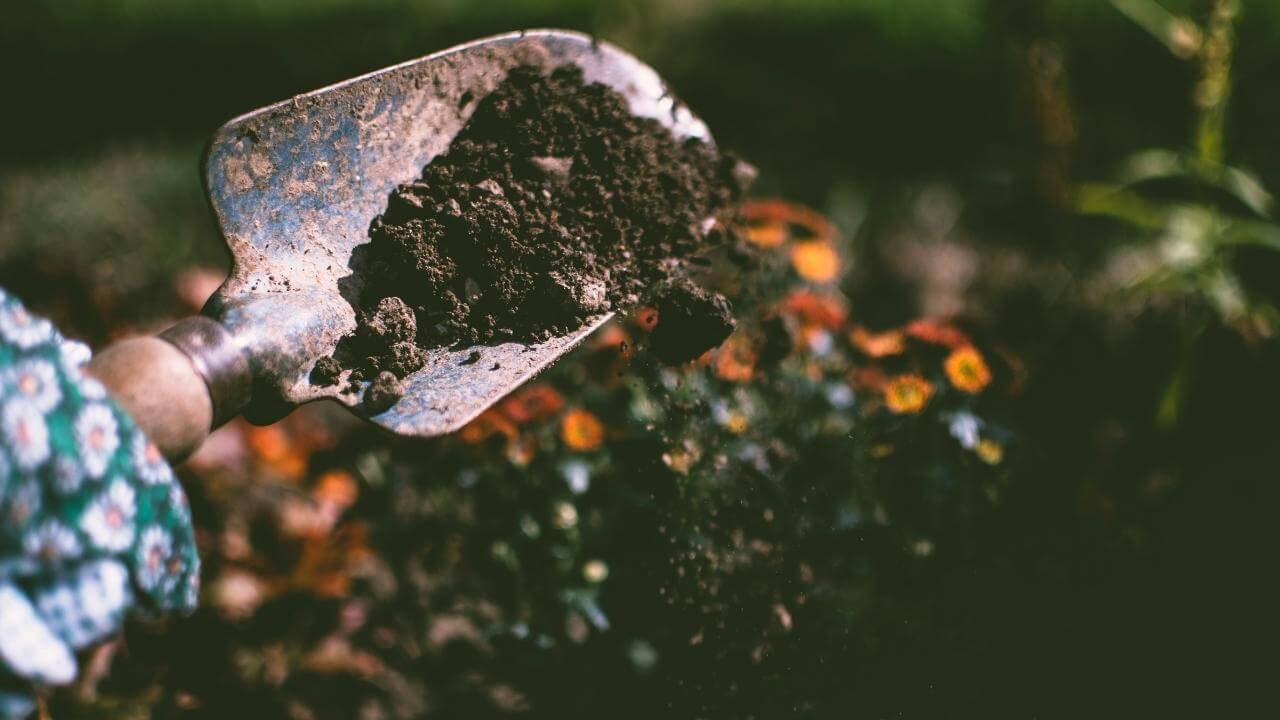
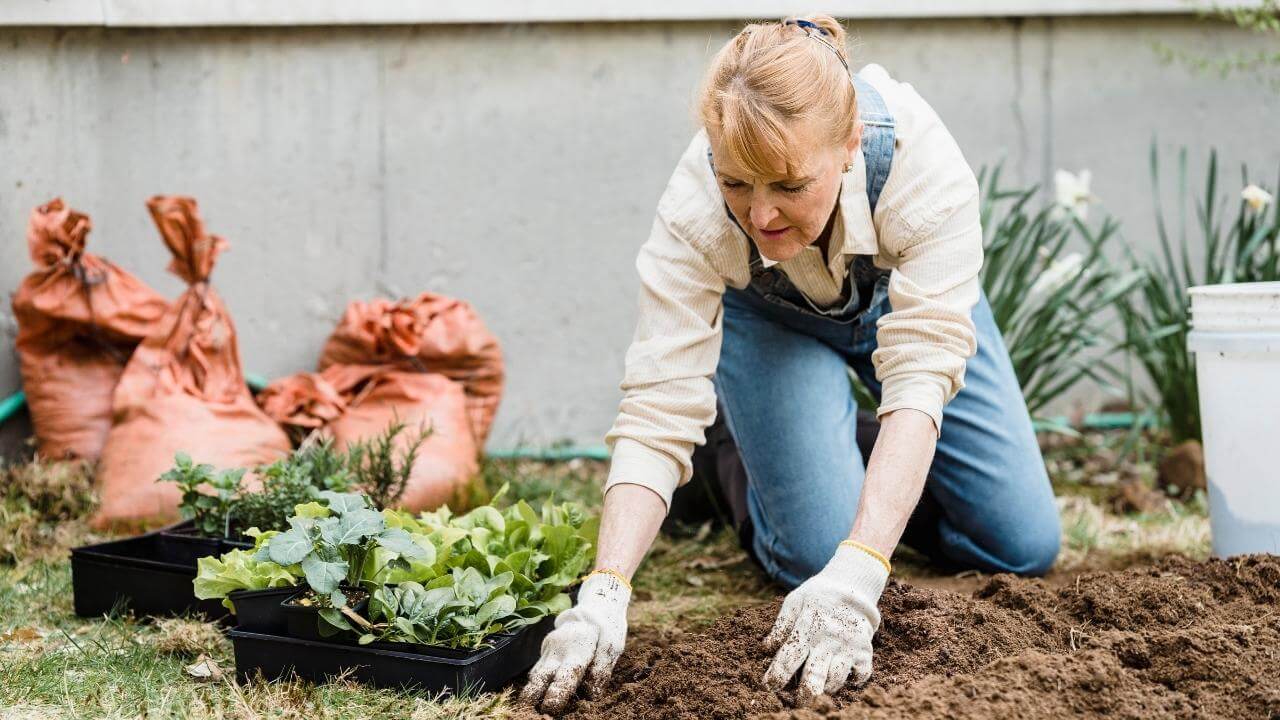
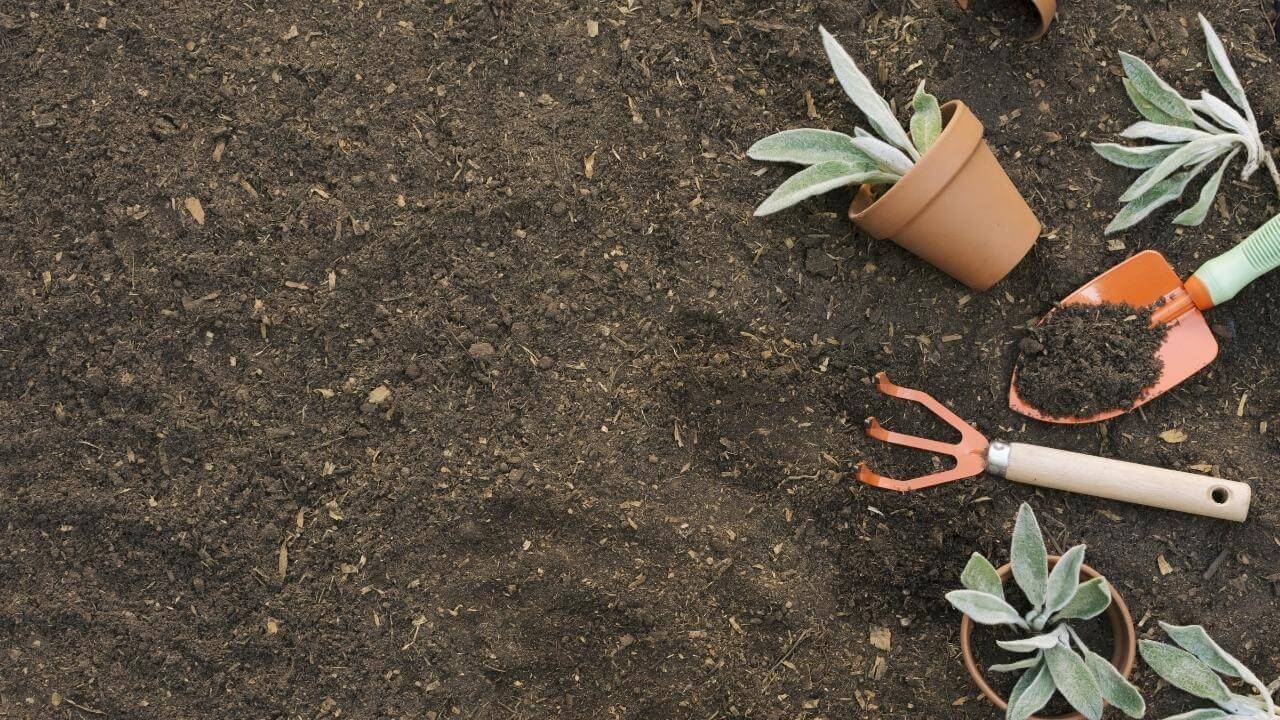
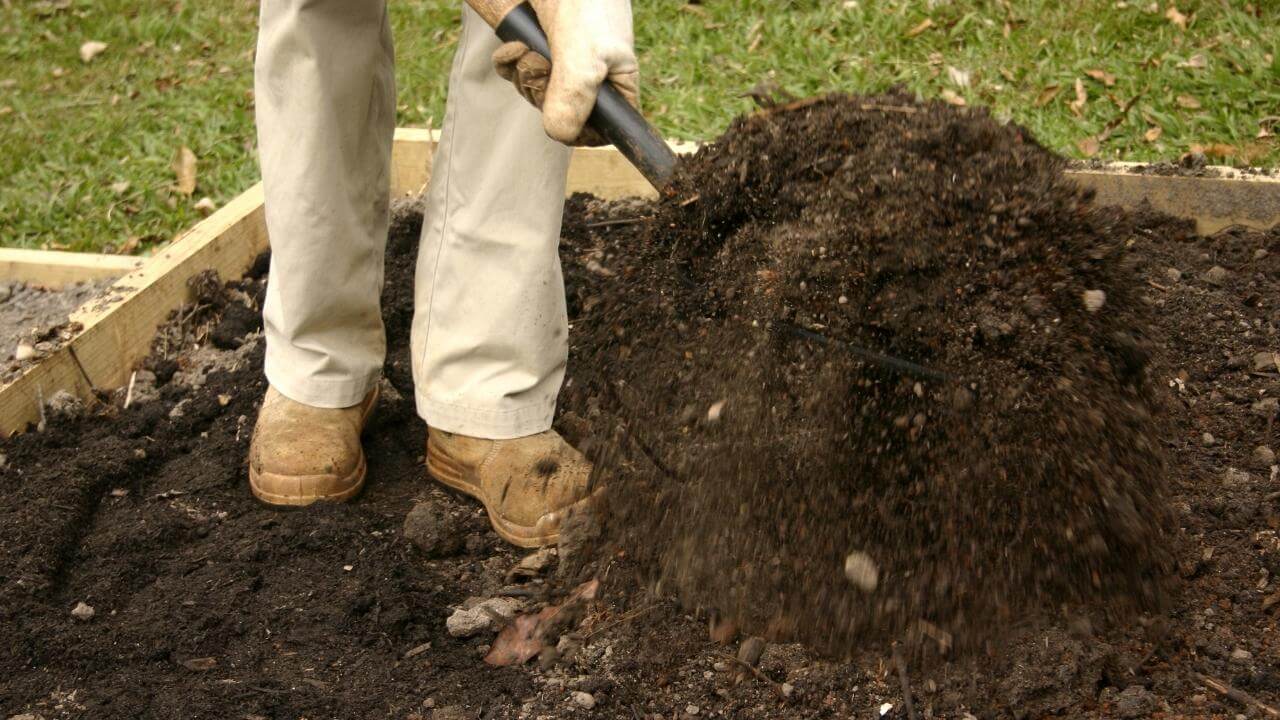
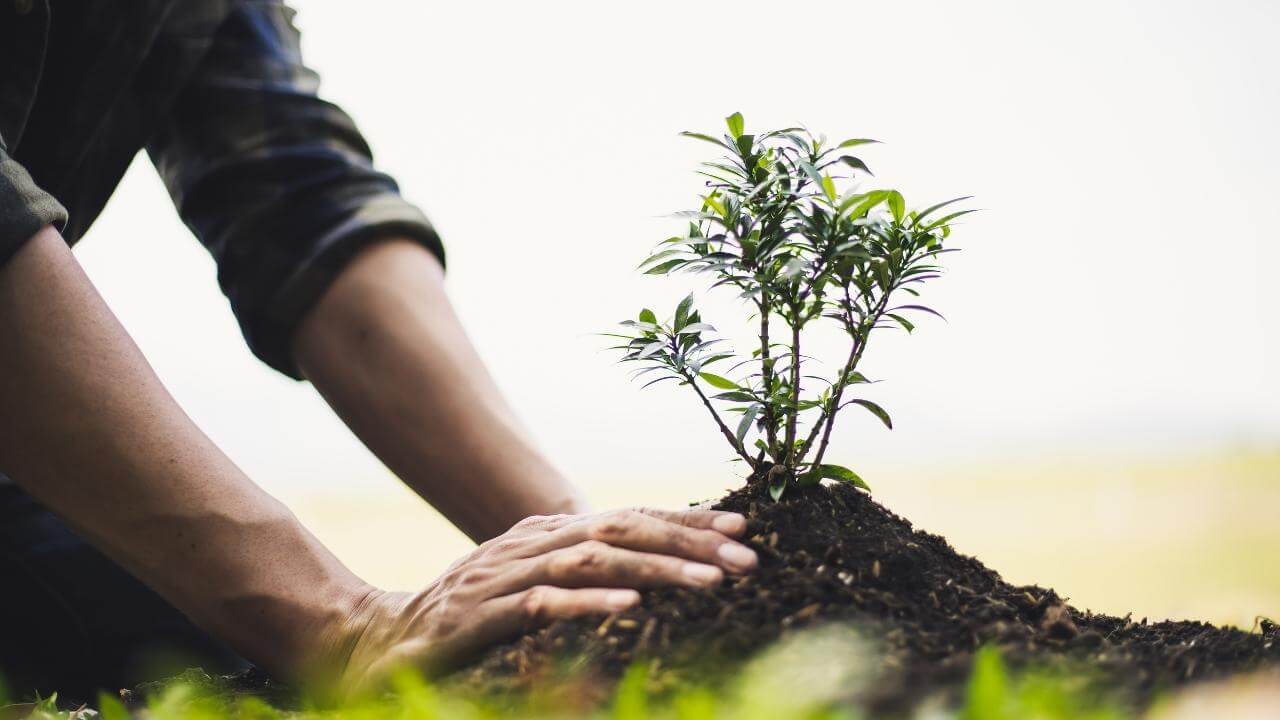
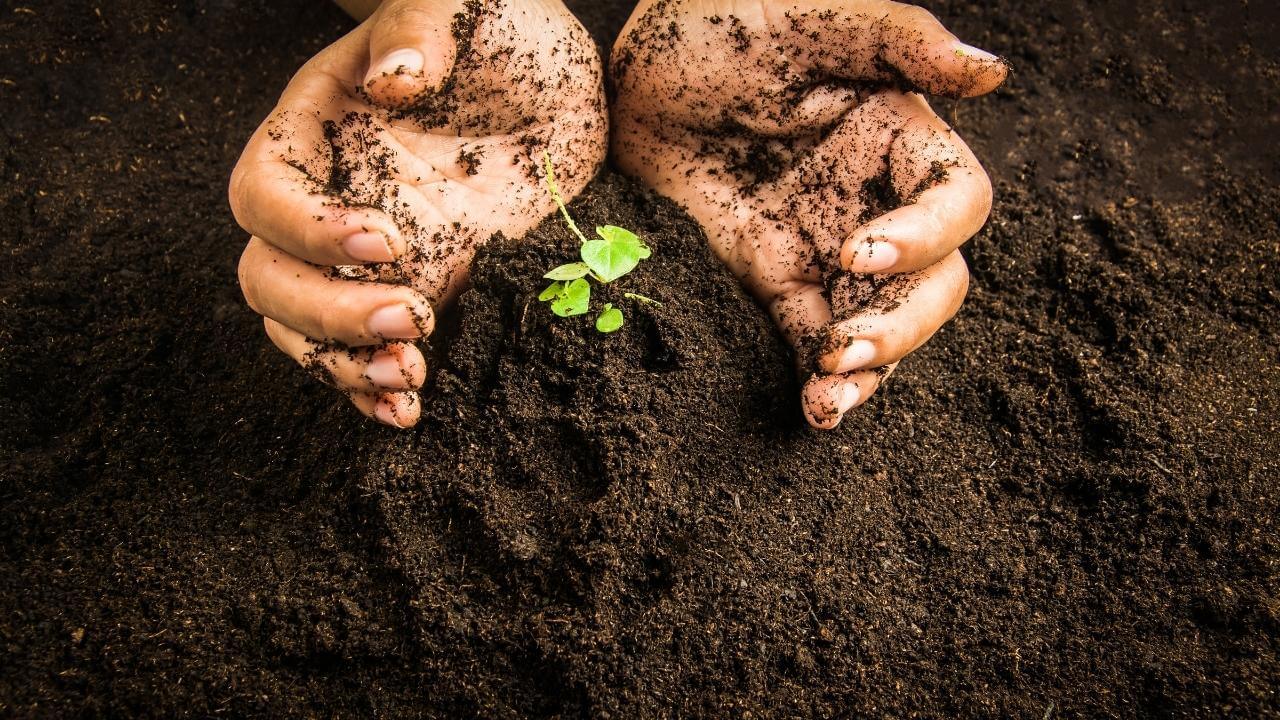
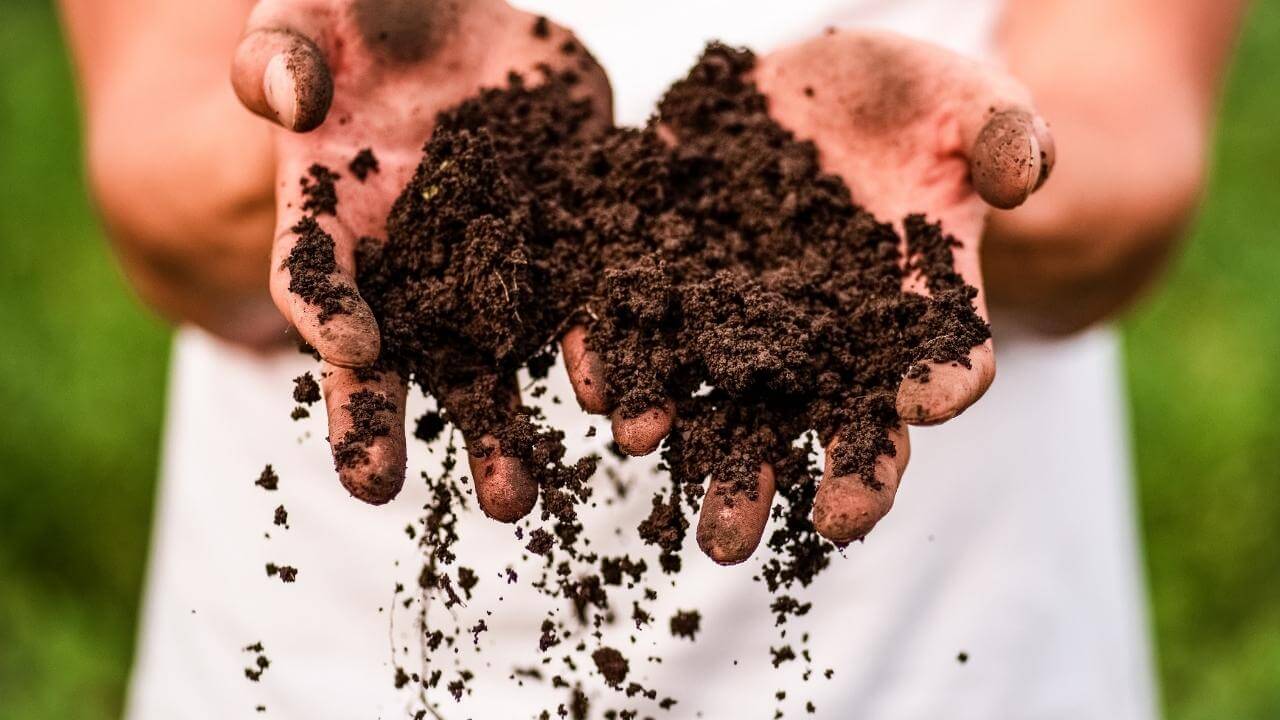
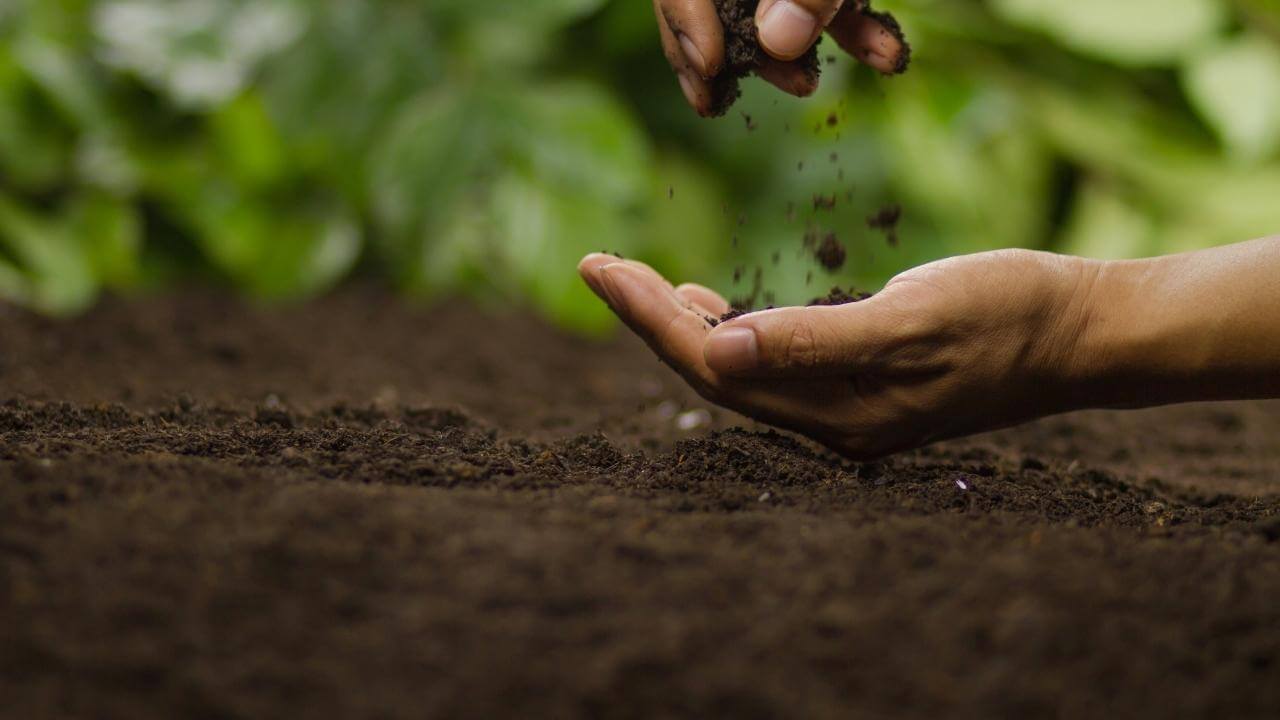
Soil production is the process of plant growing and production in soil. This process extends from the preparation of the soil to the sowing of seeds, the growth and development of plants, and the harvesting of the products. Soil production plays an important role in the production of people’s food, beverages, fertilizers and materials.
In order for soil production to be successful, factors such as soil type, settlement, climatic conditions and targeted products should be taken into consideration. For example, in dry climates, water -sensitive products are difficult to grow, but these products may be more successful in humid climates. Likewise, the soil type affects the growing of products. For example, they may be difficult to grow plants in sandy soils, but they may be more successful in clay or calcareous soils.
In soil production, the process of preparing the soil is very important. In this process, the garbage and plant residues in the soil are removed and the soil is fed with fertilizers. Fertilizers help the soil to provide the necessary macro and micro nutrients to plants. During soil production, the humidity of the soil is also important. If the soil moisture content is low, water should be given to plants.
During the sowing of the seeds, sufficient moisture is achieved in the soil and the seeds are planted in the soil. Seeds grow and develop at different speeds depending on heat and humidity conditions. During the growth process of plants, the moisture ratio of the soil should be regularly controlled and water should be given when necessary. It is also important to give plants fertilizer when necessary.
Flower soil is a specific type of soil used for growing flowers. The flower soil contains macro and micro nutrients necessary for the healthy growth and development of the flowers. Flower soil production is a process that extends from the preparation of the soil to planting flower seeds, the growth and development of flowers and harvesting.
In the production of flower soil, the soil type and settlement is important. For example, it may be difficult to grow flowers in sandy soils, but they may be more successful in clay or lime soils. In addition, climatic conditions also affect the growing flowers. For example, in dry climates, water -sensitive flowers are difficult to grow, but they can be more successful in humid climates.
In the production of flower soil, the process of preparing soil is very important. In this process, the garbage and plant residues in the soil are removed and the soil is fed with fertilizers. Fertilizers help the soil to provide the necessary macro and micro nutrients to the flowers. During the production of flower soil, the moisture ratio of the soil is also important. If the soil moisture content is low, water should be given to the flowers.
During planting flower seeds, sufficient moisture is achieved in the soil and the seeds are planted in the soil. Flower seeds grow and develop at different speeds according to heat and humidity conditions. During the growth process of the flowers, the moisture ratio of the soil should be checked regularly and water should be given when necessary. In addition, fertilizer is given to the flowers when necessary.